We are registered with the Environment Agency as a waste carrier. We strive to recycle all components, test equipment and circuit boards.
We also offer collection or receipt of the following items: RF boards, RF components, transistors and electronic components. We accept RF plugs, adapters and connectors, RF wave-guides, RF modules and power amplifiers. We also handle RF loads, RF test instruments and Printed Circuit Boards.
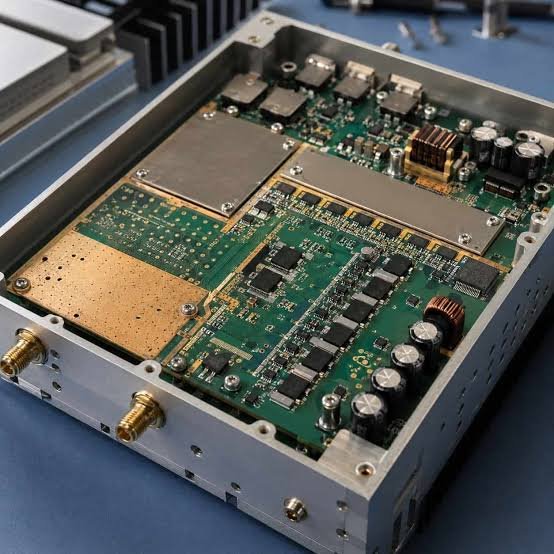
We reuse components whenever possible to prevent waste from entering landfills. We avoid disposal with chemicals or acids that harm the environment. We pursue sustainable methods to maximize benefit and minimize impact.
We decommission redundant test equipment from ATE labs and clear unused inventory in stores.
Our service disassembles old equipment into components and reuses parts to give items a second life.
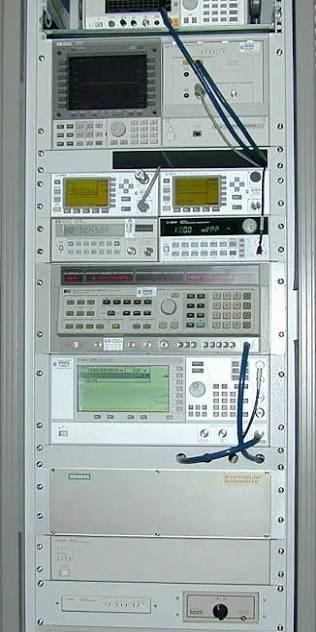
Redundant RF test equipment can be reused and have a second life, either complete or stripped down to component parts. It does not need to be processed in a way that would be environmentally unfriendly. You can recycle these devices to maximize value and reduce waste.
Disposing of Waste Electrical and Electronic Equipment without reusing creates severe environmental hazards. Ecological and chemical risks also increase if components are not reused.
Electronic components contain toxic heavy metals, precious non-renewable materials, and persistent synthetic compounds that do not biodegrade.
When components are directly discarded—either sent to landfills, incinerated, or informally processed—the environmental impacts fall into four major categories:
1. Soil and Groundwater Contamination
Electronic circuit boards, semiconductors, and passive components contain hazardous substances that leach into surrounding soil and underlying aquifers when landfilled over time:
- Lead (Solder & CRT Glass): Leaches into soil and groundwater, bioaccumulating in biological systems and causing severe neurological toxicity in ecosystems and food chains.
- Cadmium (Semiconductors & Resistors): Extremely toxic heavy metal that degrades soil fertility and accumulates in plant root systems and aquatic species.
- Mercury (Switches & Backlighting): Converts via microbial activity into methylmercury in aquatic environments, bioamplifying rapidly up the aquatic food chain.
- Flame Retardants (PBDD/PBDFs in PCB Substrates): Persistent Organic Pollutants (POPs) that resist degradation, remaining bound to soil particles for decades.
2. Air Pollution and Toxic Incineration Emissions
When WEEE components are incinerated or subject to informal thermal processing (such as burning off insulation or melting boards to crude-extract metals):
- Dioxins and Furans: Thermal degradation of halogenated flame retardants and PVC plastics releases highly carcinogenic dioxins and furans into the atmosphere.
- Heavy Metal Particulates: High-temperature burning vaporizes lead, cadmium, and arsenic into atmospheric particulate matter ($PM_{2.5}$ and $PM_{10}$), settling on crops and water bodies miles downwind.
3. Resource Depletion and High-Carbon Mining Demand
Failing to recover electronic components forces the continuous extraction and refining of virgin raw materials to replace them:
| Raw Material | Primary Environmental Cost of Mining |
|---|---|
| Gold & Silver (Pins & Contacts) | High cyanide tailing risks, massive water usage, land stripping |
| Copper (Traces & Windings) | Acid mine drainage, severe habitat loss, high energy consumption |
| Rare Earth Elements (Neodymium, Indium) | Radioactive byproduct waste (thorium/uranium), toxic sludge ponds |
| Cobalt & Lithium (Power Components) | Massive groundwater consumption, local ecosystem destruction |
- Embedded Energy Loss: Manufacturing microchips and integrated circuits requires thousands of liters of purified water and gigajoules of high-purity energy. Disposing of functional components forfeits all embedded energy, necessitating fresh carbon emissions ($CO_2$) for replacement production.
4. Eco-Toxicity in Aquatic Systems
Leached contaminants that find their way into rivers, lakes, and oceans alter aquatic chemistry:
- Acidification & Heavy Metal Loading: Disrupts cellular transport in marine organisms and leads to acute aquatic toxicity.
- Microplastic Degradation: Component housings and resin matrices break down mechanically into microplastics, carrying surface-bound heavy metals into marine organism tissues.
Key Environmental Metrics Summary
Raw Material Mining E-Waste Disposal Landfill / Incineration ┌────────────────────────┐ ┌─────────────────┐ ┌─────────────────────────────────┐ │ • High Carbon Footprint│─>│ • Component Loss│─>│ • Soil Toxicity (Lead, Cadmium) │ │ • Habitat Destruction │ │ • Embedded Energy│ │ • Air Pollution (Dioxins, PM) │ │ • Acid Mine Drainage │ │ Forfeited │ │ • Water Contamination (Mercury) │ └────────────────────────┘ └─────────────────┘ └─────────────────────────────────┘